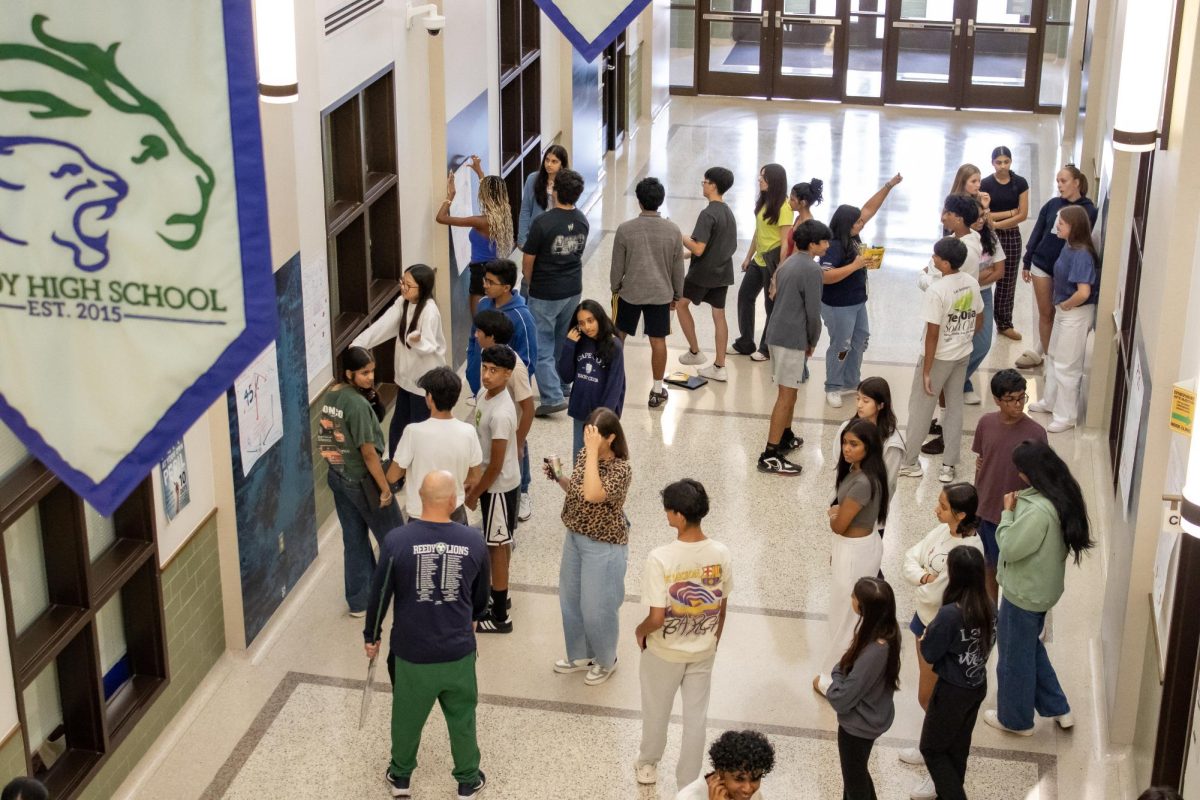
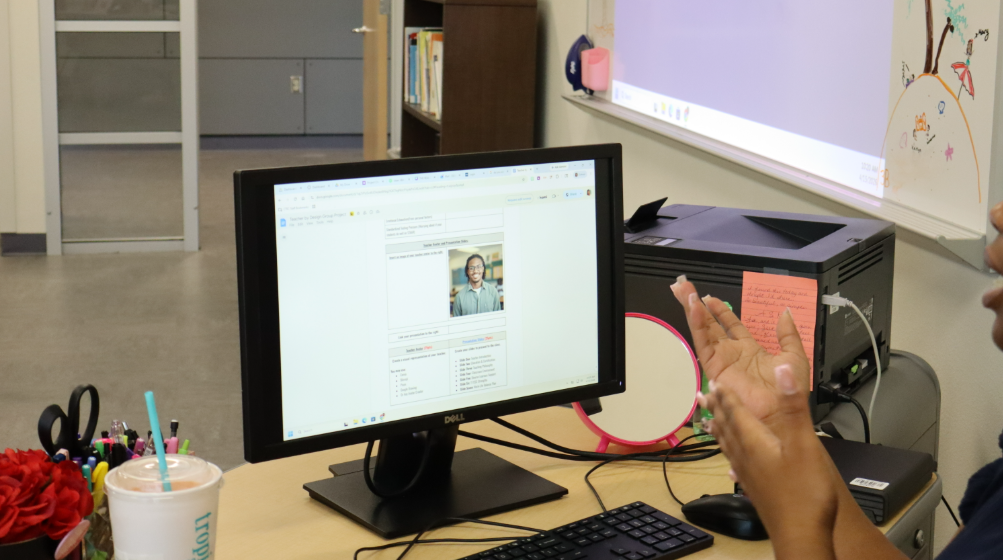
The Career and Technical Education Center (CTEC) offers a multitude of career education classes that prepare over 5,000 students for their future. In recent years, artificial intelligence (AI) has become increasingly widespread in every industry on a global scale. Locally, the CTEC works to mirror the professional world by including AI to varying extents. Each pathway and class holds differing opinions on whether AI is truly beneficial for experience and educational purposes.
AI originated from developments in technology. Naturally, the technology industry was the first to shift. AI rendered the industry and its core of development more accessible to students by elevating mere thoughts into reality.
“AI provides for a generation of thoughts at a higher level that a student may not be able to get on their own,” E-Sports teacher David Loosli said.
The CTEC center teachers see the value AI holds in making the tech field one that is not limited to a certain skill set and encourage their students to use AI for what remains beyond their capabilities.
“You may have a student that’s not very artistic but they can put the parameters and everything into AI and then that’ll produce something,” Loosli said.
While AI proves valuable for elevating thought, some technology teachers are concerned about students overusing AI and using it to generate rather than fine-tune their thoughts.
“They shouldn’t use it as a crutch but more as a resource to learn,” Engineering teacher Clayton Patterson said.
Those teaching classes that focus on industries outside technology, like government and politics, are more weary of using AI.
“Generally, on most assignments, I don’t allow AI,” Survey of Diplomacy and Mock Trial teacher Mark Bryant said.
While those in the technology and government sectors share a concern that AI may reduce the ability to form thoughts, the concern held by the government sector is more significant as critical thinking is the key to success within the field.
“Mock trial and all the legal and attorney work is all about critical thinking and evaluation, AI might not support that,” Bryant said.
However, government teachers are aware that AI will be a part of the future of their industry, so they attempt to remain optimistic.
“I hope that AI will do more of the grunt work so we can do the higher order critical thinking,” Bryant said.
Students at the CTEC appear to be utilizing AI in that way as they use it to make their own tasks more efficient.
“I use AI for mostly ideas or just making processes more efficient in order to get more work done faster and better,” junior Pietro Veirea said.
While the government sector continues to remain wary of AI, the education industry shares the same optimism as the tech industry. They believe that AI has changed their lives and jobs for the better.
“If anything, it may be making the job a little bit easier just to help generate ideas, help connect with the students, and help them be successful at the CTEC,” Survey of Education and Training teacher Trinity Oliver said.
All of the pathway classes at the CTEC are working to strike a balance between AI usage and human thought.
“I’m trying to do the best I can to use AI for good and not for evil,” Practicum in Government, Survey of Government and Public Administration, and Court Systems teacher Courtney Cummings said.
All in all, it is clear that the CTEC is preparing their students for the future of AI and its impact in every industry.
“I think it is just going to be big in every industry just for getting ideas and collaborating with people and communicating,” senior Miles Bladen said.